
Africa’s Limping Leviathans
Author: Prof. Adekeye Adebajo
Date: 28 January 2019
Publication: Business Day
Image supplied by: WikiImages / 1174 images via Pixabay
This year will be defined by the tale of six African Leviathans: South Africa, the Democratic Republic of the Congo (DRC), Nigeria, Sudan, Ethiopia, and Algeria. What happens in these countries will have a huge impact on the continent’s fortunes.
South Africa – the Leviathan on the Limpopo – holds elections in May. The only question is whether the ruling ANC will be able to mobilise its supporters to deliver a majority victory. With 55% of the black population living in poverty, government policies such as the minimum wage, land reform, and social grants are designed to alleviate these problems. Despite economic stimulus and infrastructure and investment drives, the economy is, however, likely to continue its slow growth amidst a weak Rand.
This year also sees South Africa’s return to the United Nations Security Council for a two-year term. Its main priority will be the post-election political instability in the DRC: the Leviathan on the Congo, and Africa’s geographically second largest state. South Africa and Angola have expended much diplomatic energy in ensuring an end to the 18-year rule of Joseph Kabila. A meddling France has, however, still not learned the wisdom of maintaining a discreet silence in African disputes. The Congo continues to confound soothsayers: a post-election battle expected to be fought over the forced installation of a government candidate, instead resulted in a farcical dispute between two opposition candidates. Newly-installed president, Félix Tshisekedi, will surely struggle to impose his authority over this huge country. The African Union’s mediation will be constrained by its chair, Rwanda’s Paul Kagame’s past military interventions and reported looting of the country’s mineral resources.
Nigeria – the Leviathan on the Niger – will hold elections in February and March. Over the last four years, the lethargic president, Muhammadu Buhari, has been dogged by ill health and allegations of a corrupt cabal having hijacked his government. Insecurity between herdsmen and farmers has increased, and Boko Haram continues to wreak havoc in the country’s north-east. Along with threats from Niger Delta militants, these problems have prevented Nigeria from playing an effective regional role. Buhari’s main challenger – Atiku Abubakar – was vice-president for eight years and has been trailed by accusations of corruption. The two dominant parties lack a coherent vision for addressing Nigeria’s problems and both septuagenarian candidates have traversed the country spreading apathy, even as 87 million Nigerians continue to live below the poverty line. Buhari is expected to win a close election, but questions linger about how fair the polls will be.
Sudan – the Leviathan on the Nile, and Africa’s geographically third largest country – is in the midst of the most serious challenge to military strongman Omar al-Bashir’s thirty-year rule. As oil revenues have been slashed by South Sudan’s five-year civil war, the sky-rocketing prices of bread, medicines, and fuel have resulted in spreading protests and a brutal government crackdown. At 70%, the country’s inflation is the second highest in the world after Venezuela’s. A people’s uprising similar to those that toppled military regimes in Sudan in 1964 and 1985 can not be completely ruled out if the army turns against Bashir.
Ethiopia – the Leviathan by the Red Sea – is Africa’s second most populous country. New prime minister, Abiy Ahmed, has sought to act as a reformist new broom unleashing political freedoms, encouraging foreign investment, and promoting reconciliation with Eritrea. It is however unclear whether he will be able to consolidate his power by taming the country’s Tigray-dominated securocrats. 1.4 million Ethiopians remain internally displaced by local conflicts, even as public debt has risen to 60% of gross domestic product.
The sixth hegemon, Algeria – the Leviathan in the Sahara, and Africa’s geographically largest country – will be consumed by speculation over whether its reclusive 81-year old president, Abdelaziz Bouteflika, is well enough to run for a fifth presidential term this May to extend his 20-year rule. The oil and gas-rich country will continue to struggle from poor governance, even as 25% of Algerians under 30 remain unemployed.
These six countries all suffer from crises of large populations of unemployed youth. The recruitment of some of these young men by militias continues to fuel instability in Nigeria, Ethiopia, the DRC, Sudan, and Algeria. If the continent’s six limping Leviathans are unable to foster the internal coherence that can enable them to play a regional leadership role, they could instead destabilise their regions. Africa is thus set for another year of living dangerously.
Professor Adekeye Adebajo is Director of the University of Johannesburg’s Institute for Pan-African Thought and Conversation

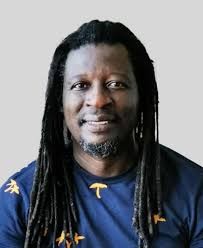




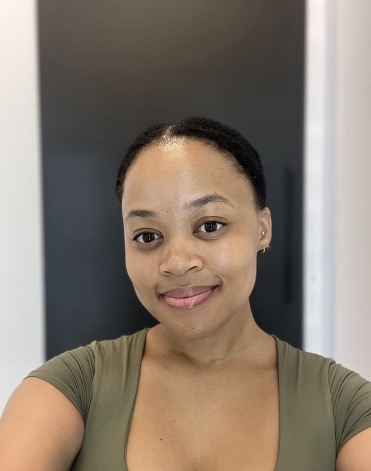

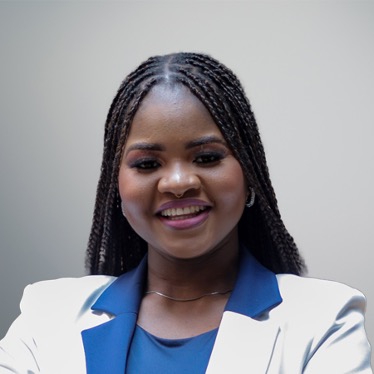
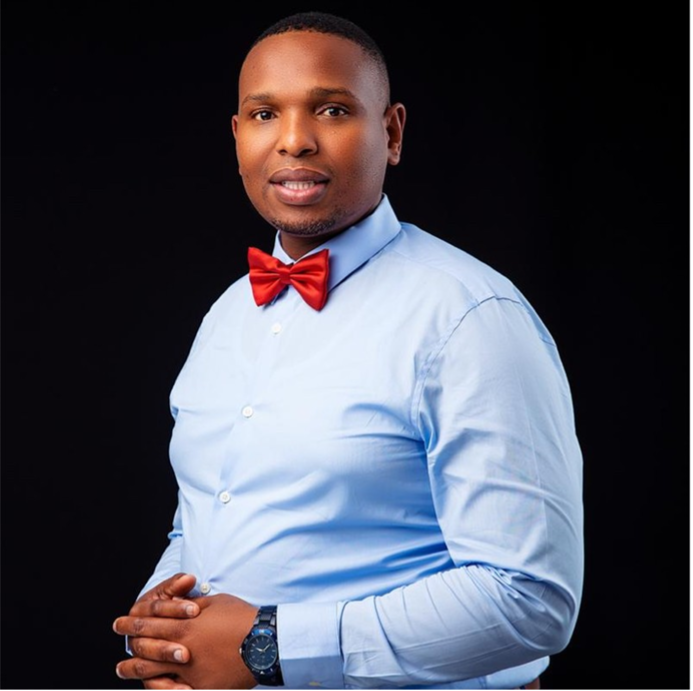
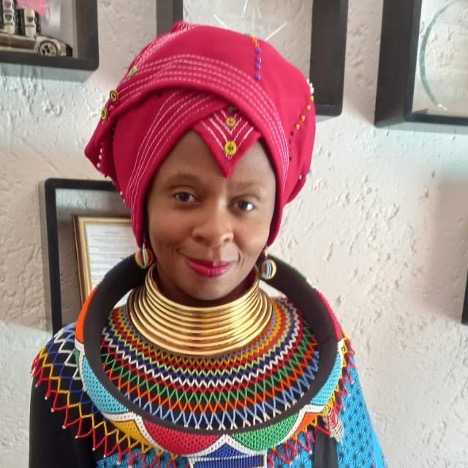

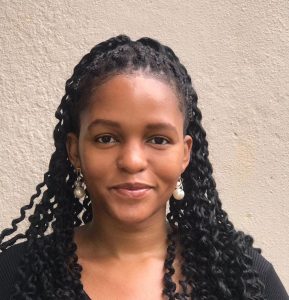
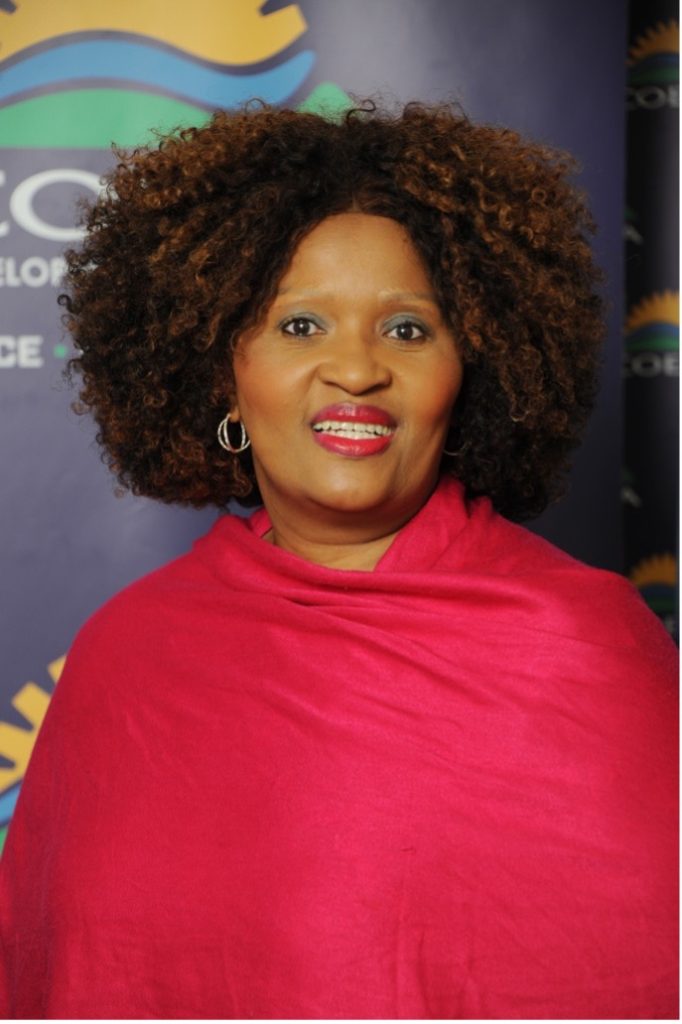


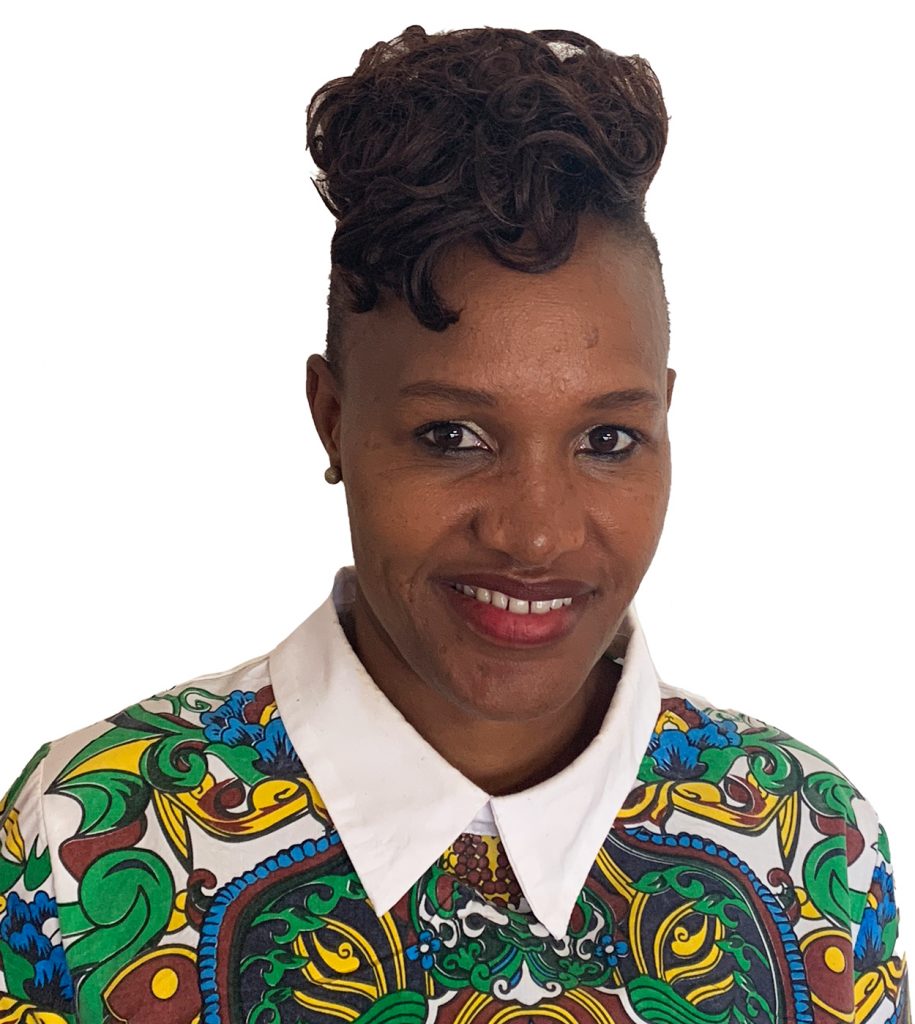

 Ms Zoliswa Ntsoko (South Africa) is the Institute’s Administrative Assistant who assists with general administration and research. She is a seasoned professional with a background in Disaster Management. She holds an Advanced Diploma in Management from Milpark Business School, and a Post Graduate Diploma in Public Management from Regenesys Business School. She also holds certificates in Project Management, and in Disaster Management. Previously, she has worked as a Disaster Management Specialist at the City of Johannesburg – Disaster Management Centre.
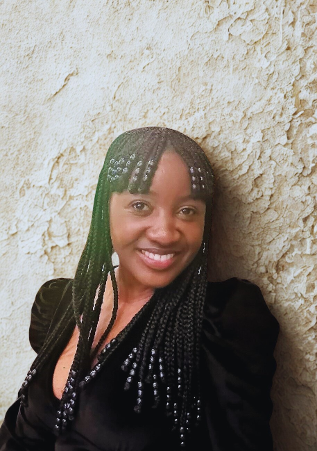
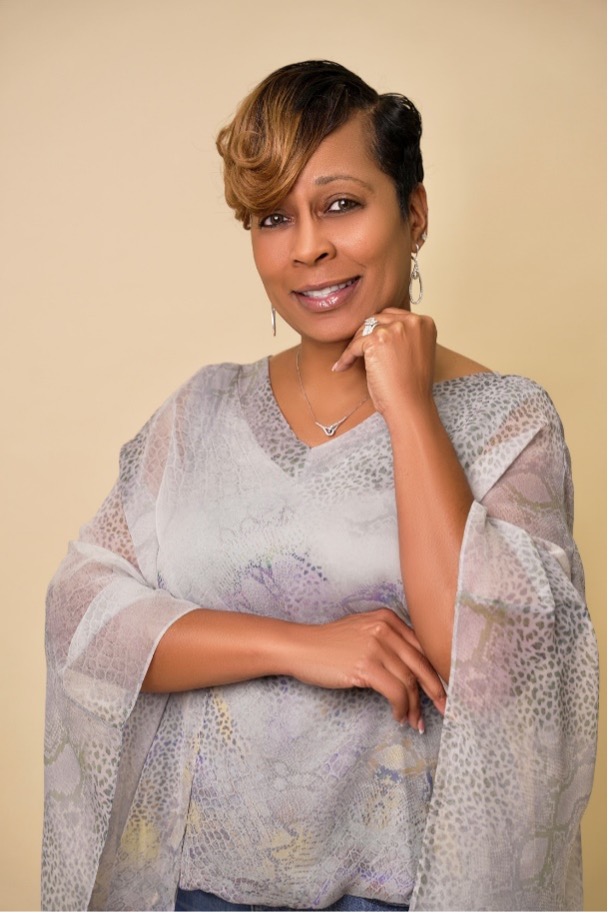
 Ms Cecilia Lwiindi Nedziwe-Moyo is the Research Coordinator at the Institute for Pan-African Thought and Conversation. She previously served as a Regional Coordinator at the Centre for Peace Initiatives in Africa (CPIA) in Zimbabwe between 2007 and 2013. She completed her master’s degree in International Studies, Peace, and Conflict Resolution at the University of Queensland in Australia as a Rotary Peace Scholar. She has just completed her doctoral studies at Rhodes University. Her areas of interest include: gender, foreign policy, regional organisations and conflict resolution.


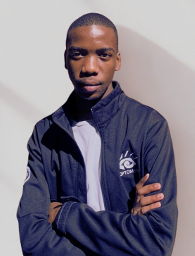
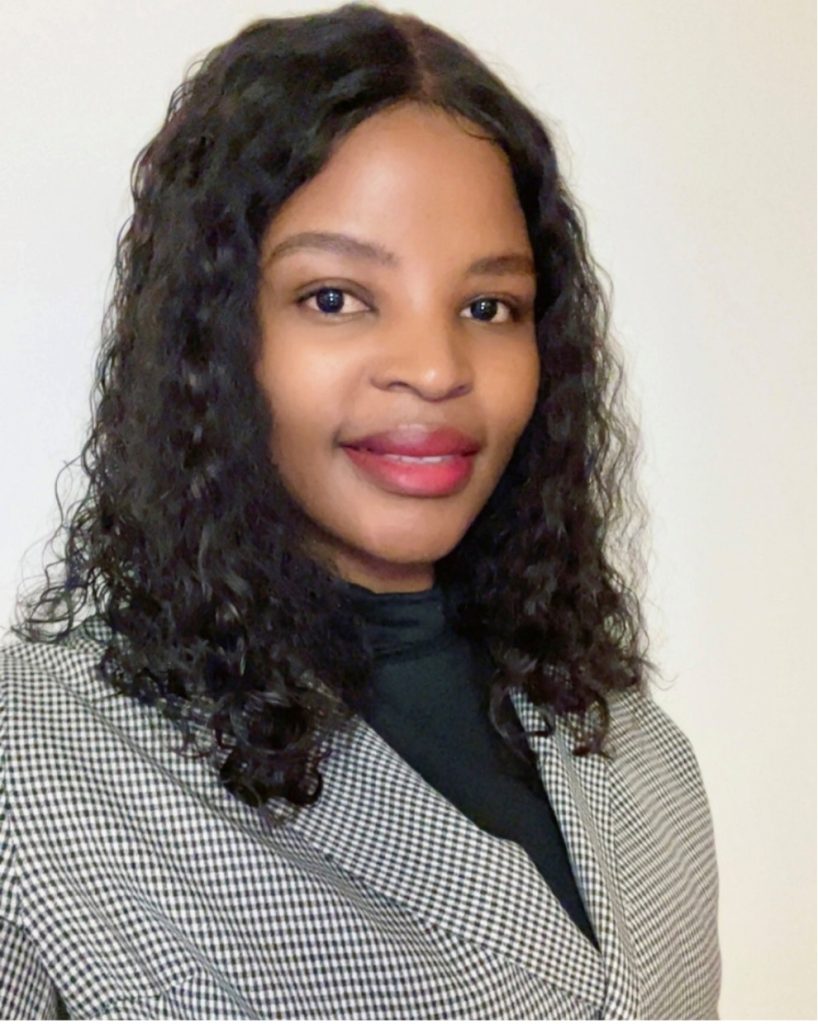
 Ms Thembeka Somtseu is a seasoned professional with a background in the textile and construction sectors. She holds a National Diploma in Business Administration from the Durban University of Technology, and studied Development Communication and Media Studies at the University of the Witwatersrand. She worked as a corporate communications specialist for more than ten years, serving in both local and multinational companies.